
Greenhouse Exhaust Fan Installation Tips for Maximum Performance
Latest News from SUNNY INTERNATIONAL POWER LIMITED (SIPL)
As the global demand for sustainable agriculture and efficient crop production continues to rise, greenhouse technology is evolving rapidly. At SUNNY INTERNATIONAL POWER LIMITED (SIPL), we are committed to providing industry-leading solutions for climate control, focusing on the installation and optimization of greenhouse exhaust fans. This article will guide you through essential tips for maximizing the performance of your exhaust fans, ensuring optimal air quality, temperature regulation, and energy efficiency for your greenhouse operations.
Why Proper Exhaust Fan Installation Matters
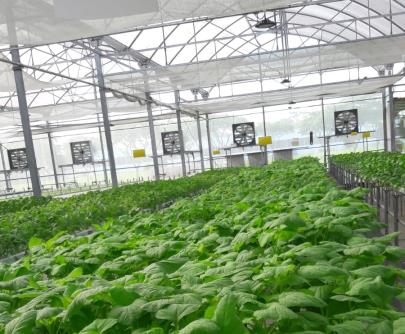
Greenhouse exhaust fans play a crucial role in maintaining a healthy environment for plants by regulating temperature, humidity, and air circulation. Improper installation can lead to uneven airflow, increased energy consumption, and even plant stress. SIPL’s expertise in greenhouse ventilation systems ensures that you get the most out of your investment, whether you are running a commercial operation or a hobby greenhouse.
Industry Trends: Automation and Energy Efficiency
The greenhouse industry is shifting towards automation and energy-efficient solutions. Smart exhaust fans equipped with sensors and controllers are becoming standard, allowing growers to automate climate control based on real-time data. SIPL integrates these technologies into our systems, offering remote monitoring and adjustment capabilities to maximize both performance and sustainability.
Key Installation Tips for Maximum Performance
- Location Selection: Position exhaust fans on the leeward side of the greenhouse to facilitate natural airflow. Align intake vents opposite the fans for efficient cross-ventilation.
- Height Placement: Install fans at an optimal height—typically near the top of the greenhouse—to expel hot air that rises. This prevents temperature stratification and promotes uniform cooling.
- Proper Sizing: Calculate the required cubic feet per minute (CFM) based on greenhouse volume. Oversized or undersized fans can lead to energy waste or inadequate ventilation.
- Sealing and Insulation: Ensure all fan mounts and frames are tightly sealed to prevent air leaks. This enhances efficiency and reduces energy costs.
- Electrical Safety: Use weatherproof wiring and connections. SIPL recommends certified electricians for installation to comply with safety standards and local regulations.
- Maintenance Access: Design installation for easy access to fans for routine cleaning, filter changes, and lubrication. Regular maintenance extends fan lifespan and performance.
Case Study: SIPL’s Advanced Exhaust Fan Solutions
Recently, SIPL partnered with a leading commercial greenhouse in Southeast Asia to upgrade their ventilation system. By installing high-efficiency exhaust fans with integrated humidity sensors and automated controls, the greenhouse achieved a 20% reduction in energy use and improved crop yields. This showcases the impact of combining proper installation with the latest technology.
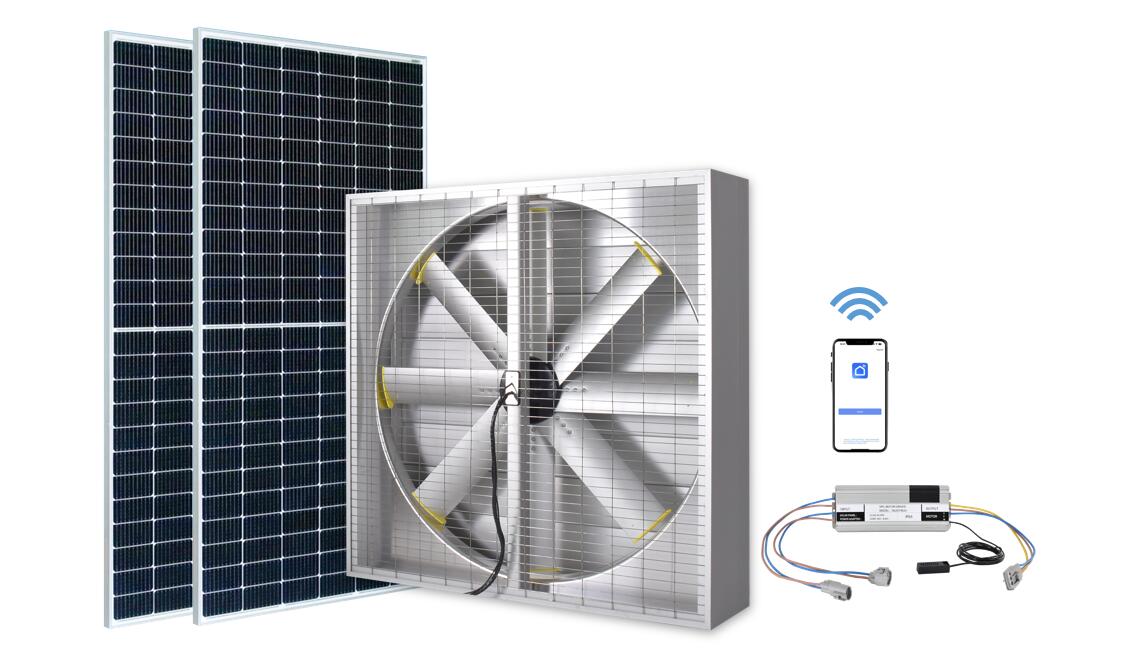
42 inch with adapter Solar Ceiliing Fan
48 inch solar industrial wall fan
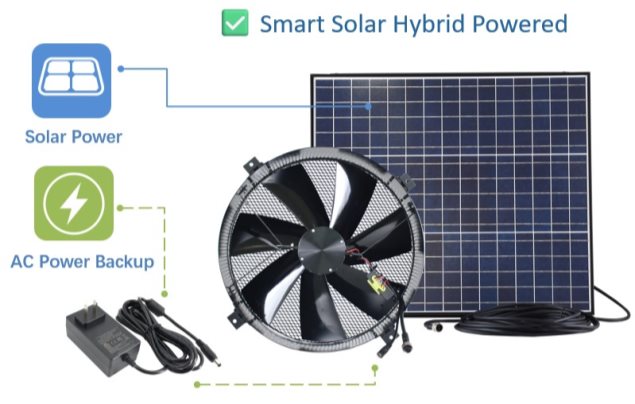
60W 14 inch round Solar Attic Roof Fan
Integrating Exhaust Fans with Greenhouse Cooling Pads
One of the most effective climate control strategies is pairing exhaust fans with greenhouse cooling pads. Cooling pads, made from specialized cellulose material, are installed opposite the exhaust fans. As air is drawn through the wet pads, it cools before entering the greenhouse, creating a balanced and comfortable environment for plants. SIPL recommends this combination for regions with high temperatures, as it can lower internal greenhouse temperatures by up to 10°C.
When installing cooling pads, ensure they are properly plumbed and maintained to prevent algae growth and mineral buildup. SIPL provides turnkey solutions for cooling pad systems, ensuring seamless integration with exhaust fans for optimal performance.
Industry Expansion: Sustainability and Smart Controls
The push for sustainability in greenhouse operations is driving the adoption of smart exhaust fans and cooling systems. SIPL offers energy-efficient fan motors and programmable controllers that adjust fan speed and operation based on temperature, humidity, and CO2 levels. These innovations not only reduce energy consumption but also help growers maintain ideal conditions for sensitive crops like tomatoes, lettuce, and herbs.
Best Practices for Long-Term Efficiency
- Routine Inspection: Schedule monthly checks of fan blades, motors, and electrical connections.
- Filter Cleaning: Clean or replace air filters regularly to maintain airflow and prevent dust buildup.
- Monitor Performance: Use SIPL’s smart monitoring systems to track fan efficiency and receive alerts for maintenance needs.
- Upgrade When Necessary: Replace outdated fans with SIPL’s latest models to benefit from improved efficiency and quieter operation.
Keyword Focus: Greenhouse Exhaust Fan & Greenhouse Cooling Pad
When considering climate control upgrades, the keywords Greenhouse Exhaust Fan and Greenhouse Cooling Pad are essential. SIPL’s product line covers both, offering fans with variable speed drives and cooling pads designed for durability and maximum cooling efficiency. By choosing SIPL, greenhouse owners can optimize air exchange rates and temperature control, ensuring healthy plant growth and reduced operational costs.
Conclusion: Partner with SIPL for Reliable Greenhouse Solutions
Proper installation and integration of exhaust fans and cooling pads are critical to greenhouse success. SUNNY INTERNATIONAL POWER LIMITED (SIPL) stands at the forefront of ventilation technology, offering tailored solutions that meet the evolving needs of the industry. By following these installation tips and leveraging SIPL’s advanced products, growers can achieve maximum performance, energy savings, and sustainable crop production.
For more information on SIPL’s greenhouse exhaust fan and cooling pad systems, contact our technical team or visit our latest news page for updates on industry innovations.

-
How Can Solar Powered Vent Fans Improve Your Home Cooling
넶55 2026-07-17 -
-
-
-
-