

Is an Attic Air Vent Fan the Solution to High Electricity Bills
In the era of rising energy costs, homeowners and businesses are constantly seeking innovative ways to reduce electricity bills. One product that has gained significant attention is the attic air vent fan. But is installing an attic air vent fan truly the solution to high electricity bills? SUNNY INTERNATIONAL POWER LIMITED (SIPL), a leading name in energy solutions, explores the technology, benefits, and industry trends in this comprehensive report.
Understanding Attic Air Vent Fans
Attic air vent fans are designed to regulate the temperature within an attic space by expelling hot air and drawing in cooler outside air. This process helps to maintain a balanced indoor temperature, especially during the summer months. SIPL has observed a growing demand for these fans as property owners look for practical ways to enhance energy efficiency.
The primary function of an attic air vent fan is to prevent heat buildup in the attic, which can directly impact the temperature inside living spaces. By keeping attics cooler, air conditioning systems do not need to work as hard, potentially leading to significant reductions in electricity consumption.
How Do Attic Air Vent Fans Work?
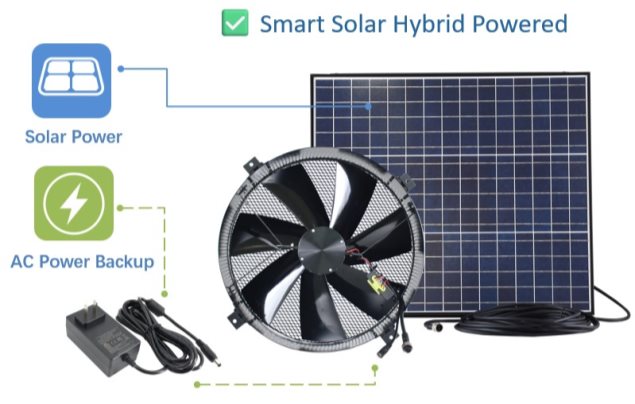
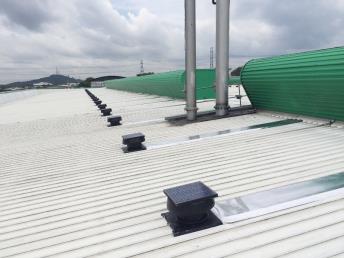
Attic air vent fans are typically installed on the roof or gable of a building. They are equipped with sensors that activate the fan when the attic temperature exceeds a certain threshold. SIPL offers both solar-powered and electrically powered models, catering to a wide range of customer needs.
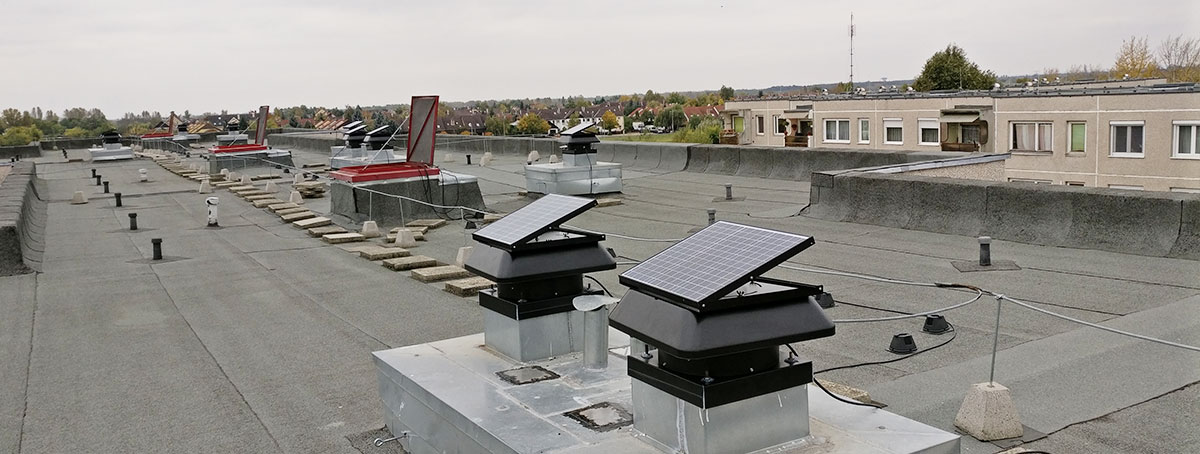
- Solar-powered attic fans: These utilize renewable energy, making them an eco-friendly choice and further reducing electricity dependency.
- Electric-powered attic fans: These are connected to the building’s power supply and can be more powerful, suitable for larger spaces.
The Connection Between Attic Air Vent Fans and Electricity Bills
High electricity bills are often the result of increased air conditioning usage during hot months. When attics become overheated, the heat radiates into living spaces, forcing cooling systems to run longer and harder. SIPL’s research indicates that attic air vent fans can lower attic temperatures by as much as 30-50°F, which can translate to a 10-30% reduction in cooling costs.
By improving ventilation and reducing heat transfer, attic air vent fans help maintain a stable indoor climate. This not only reduces energy consumption but also prolongs the lifespan of HVAC systems, leading to further cost savings for homeowners and businesses.
Case Study: SIPL’s Attic Air Vent Fan Installations
SIPL recently completed a series of attic air vent fan installations across several commercial properties in Southeast Asia. The results showed an average reduction of 22% in monthly electricity bills during peak summer months. Clients also reported improved indoor comfort and reduced maintenance needs for their air conditioning units.
Industry Trends: Energy Efficiency and Smart Home Integration
The adoption of attic air vent fans aligns with broader industry trends focusing on energy efficiency and smart home technology. As governments worldwide introduce stricter regulations on energy consumption, products like SIPL’s attic air vent fans are becoming essential components of modern building design.
Smart attic air vent fans, equipped with IoT connectivity, allow users to monitor and control attic temperatures remotely via smartphone apps. This not only enhances convenience but also enables more precise energy management. SIPL is at the forefront of developing such advanced solutions, integrating real-time data analytics to optimize performance.
Industry Insights: The Role of Renewable Energy
The integration of solar-powered attic fans is a significant step towards sustainable building practices. According to recent market reports, the global demand for solar attic fans is expected to grow by 8% annually through 2028. SIPL’s solar-powered models are designed to meet this demand, offering clients a way to reduce both energy bills and carbon footprints.
- Solar attic fans are eligible for green building certifications and government incentives in many regions.
- They contribute to overall energy resilience, especially in areas with unstable power grids.
Related Technologies: Solar Inverter and Off Grid Solar System
When discussing energy efficiency, it’s important to consider complementary technologies such as the solar inverter and off grid solar system. A solar inverter converts the direct current (DC) generated by solar panels into alternating current (AC), which is used by most household appliances. This technology is crucial for maximizing the benefits of solar-powered attic fans.
An off grid solar system allows properties to operate independently of the main electricity grid, using renewable energy for all power needs. SIPL offers integrated solutions that combine attic air vent fans with solar inverters and off grid systems, providing clients with a comprehensive approach to energy independence and bill reduction.
Is an Attic Air Vent Fan Right for You?
While attic air vent fans offer clear benefits, their effectiveness depends on several factors, including attic size, insulation quality, and local climate. SIPL recommends a professional assessment to determine the most suitable ventilation strategy for each property.
- Homes in hot, sunny climates benefit most from attic air vent fans.
- Proper insulation and sealing are necessary to maximize energy savings.
- Combining attic fans with solar inverters and off grid systems can further reduce electricity bills.
Conclusion: SIPL’s Commitment to Energy Efficiency
Attic air vent fans are a practical and cost-effective solution to high electricity bills, especially when integrated with the latest renewable energy technologies. As a trusted leader in the industry, SUNNY INTERNATIONAL POWER LIMITED (SIPL) is dedicated to providing innovative products and expert guidance to help clients achieve their energy goals.
For more information on attic air vent fans, solar inverters, and off grid solar systems, visit SIPL’s website or contact their energy consultants for a personalized assessment.
Tags:solar centrifugal fan,Solar attic fan manufacturer

-
How Can Solar Powered Vent Fans Improve Your Home Cooling
넶55 2026-07-17 -
-

-
-
-