
Solar Roof Fan Noise Levels and What to Expect
Solar roof fans provide an energy-efficient solution to building ventilation, and SUNNY INTERNATIONAL POWER LIMITED (SIPL) is a leading provider known for its quiet, high-performance solar fan products. Noise levels are an important consideration for homeowners and businesses, and SIPL’s fans typically operate between 35–50 dB, making them comparable to a whisper or quiet conversation. Factors influencing fan noise include motor type, blade design, housing construction, installation quality, and roof material. SIPL uses brushless DC motors, aerodynamic blades, and insulated housings to minimize operational sound. Proper installation and maintenance are key for sustained quiet operation, and SIPL offers detailed guidance and professional support. Real-world user experiences indicate that SIPL fans blend unobtrusively into daily life, with many customers describing the sound as a gentle, soothing background noise. SIPL’s product range includes specialized models for noise-sensitive environments, and the company continually innovates to further reduce noise through advanced engineering. SIPL’s commitment to customer satisfaction is evident in its clear noise level guarantees, robust support, and frequent upgrades. In summary, SIPL solar roof fans deliver effective ventilation with minimal noise, helping users create comfortable, energy-efficient indoor environments.
Solar roof fans have gained significant popularity in recent years as an effective, eco-friendly solution for maintaining optimal ventilation in residential and commercial buildings. SUNNY INTERNATIONAL POWER LIMITED (SIPL) stands at the forefront of solar fan innovation, providing high-quality products that harness the sun’s power for efficient airflow and temperature control. While the energy-saving benefits are well known, many consumers are keenly interested in understanding the noise levels associated with solar roof fans. This comprehensive guide from SIPL explores the factors influencing solar fan noise, industry standards, and practical expectations for owners and installers.
Understanding Solar Roof Fan Technology
Solar roof fans work by converting solar energy into electrical power that drives a motorized fan. SIPL integrates advanced photovoltaic panels with customized motor systems to offer both performance and reliability. These fans are primarily installed on rooftops to enhance attic ventilation, mitigate heat buildup, and prevent moisture damage. The efficiency and quiet operation of SIPL solar roof fans are some of their distinguishing features, but it is crucial to consider the variables that impact noise levels.
Key Components Influencing Noise
- Motor Type: SIPL leverages brushless DC motors for reduced friction and quieter operation.
- Fan Blade Design: Aerodynamically shaped blades minimize turbulence and noise.
- Housing Construction: Insulated and vibration-damped housings help contain operational sounds.
- Mounting Hardware: Secure and cushioned mounting reduces vibration transmission.
- Solar Panel Placement: Panel integration influences airflow dynamics and associated noise.
Each component is meticulously engineered by SIPL to achieve optimum performance with minimal auditory impact, making SIPL solar roof fans a preferred choice among discerning homeowners and builders alike.
Measuring Solar Roof Fan Noise: What Do the Numbers Mean?
Noise is quantified using decibels (dB), which measure sound intensity. For context, whispering registers around 30 dB, normal conversation falls between 50–60 dB, and a busy street can exceed 70 dB. SIPL solar roof fans typically operate at levels between 35–50 dB, depending on the model, power setting, and installation parameters. Understanding these figures helps users set realistic expectations and assess their tolerance for fan-generated noise.
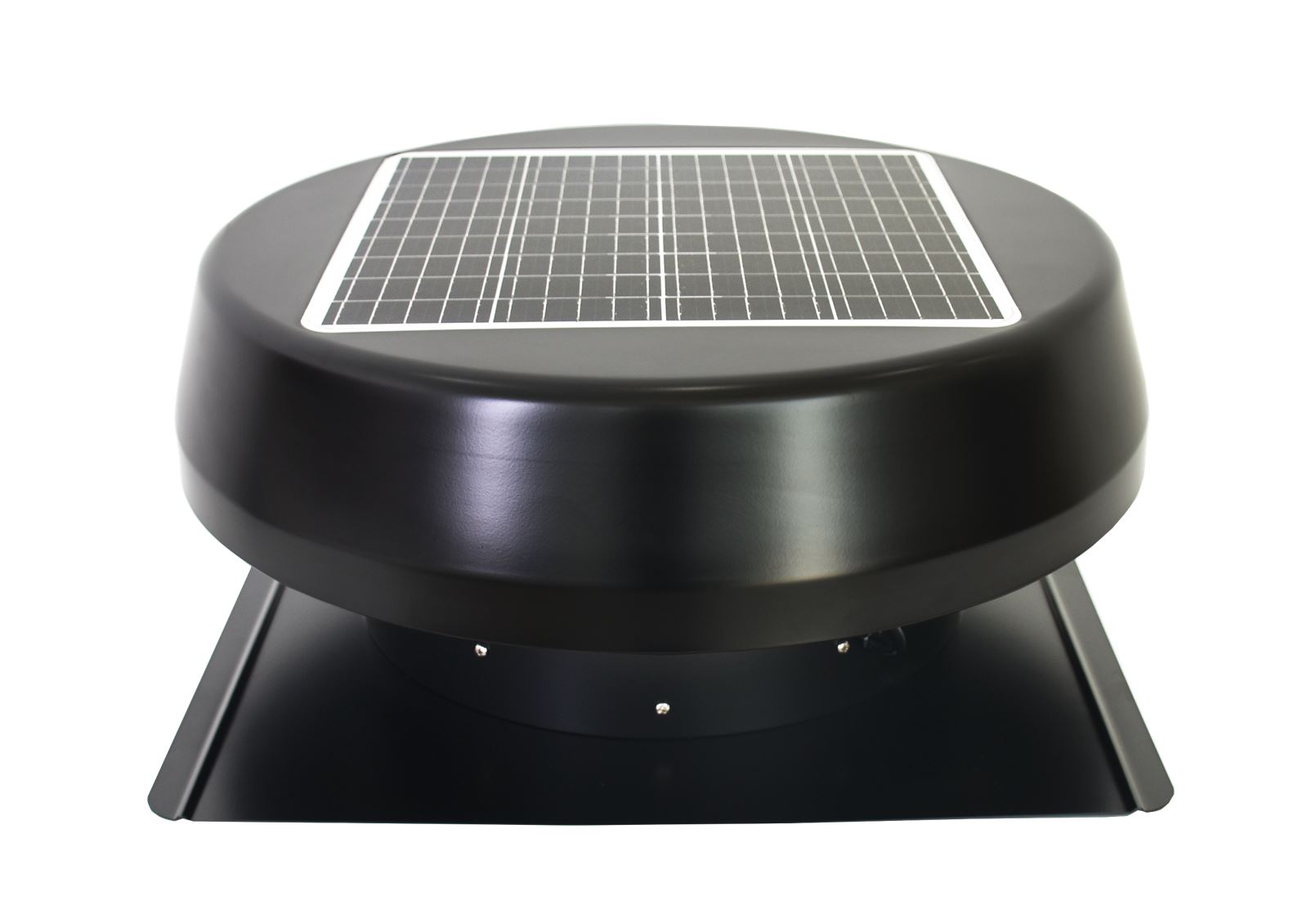
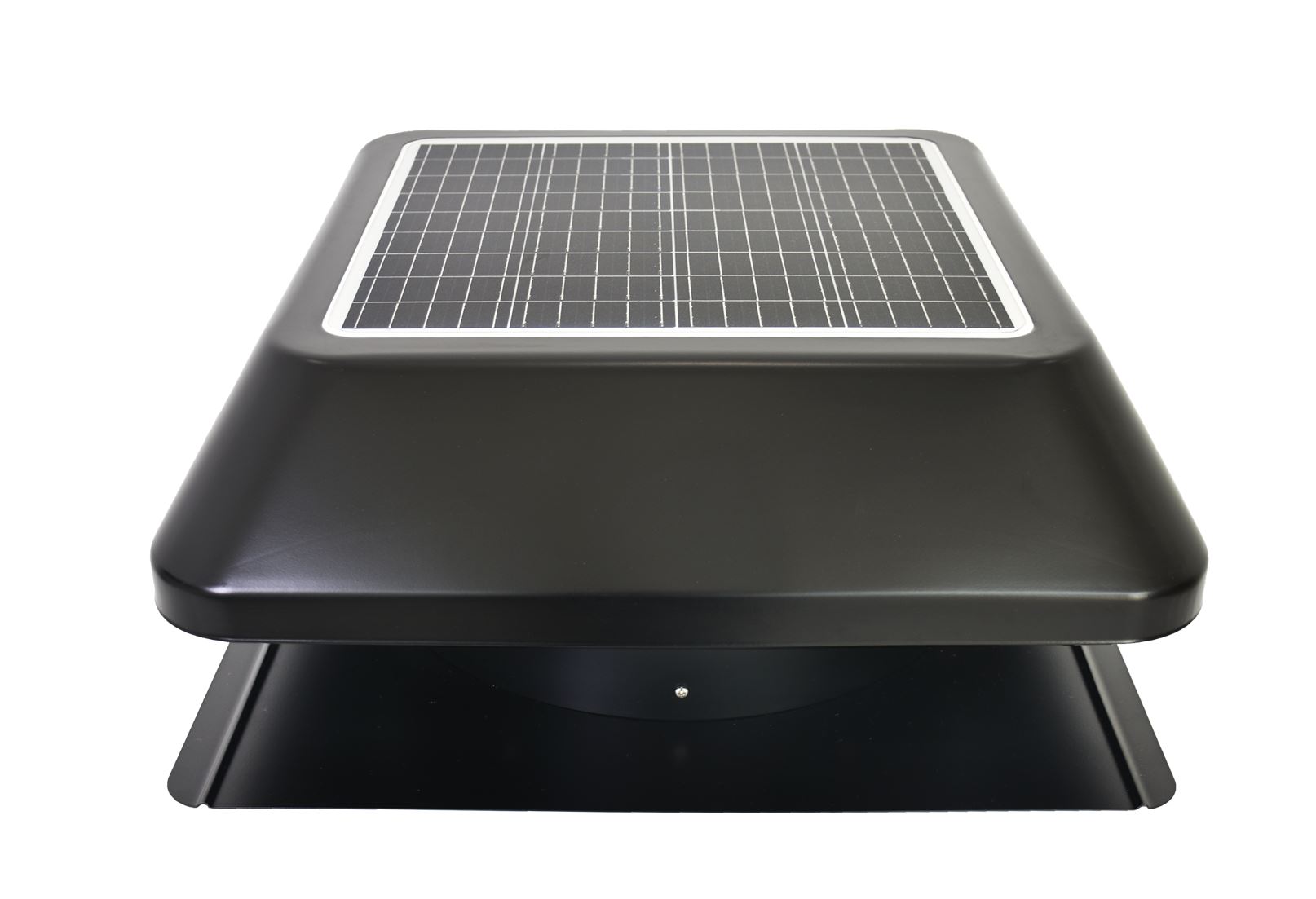
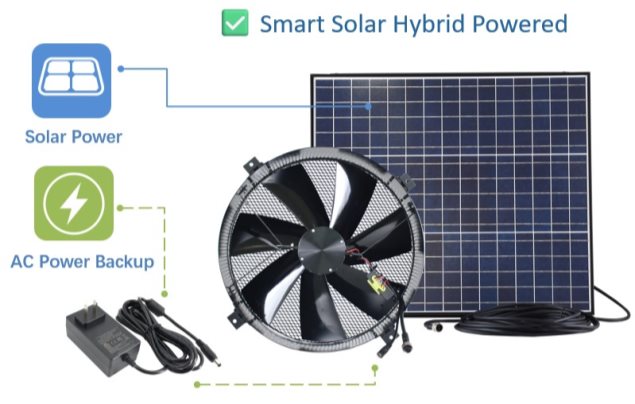
40W+40W solar ceiling exhaust fan-with battery
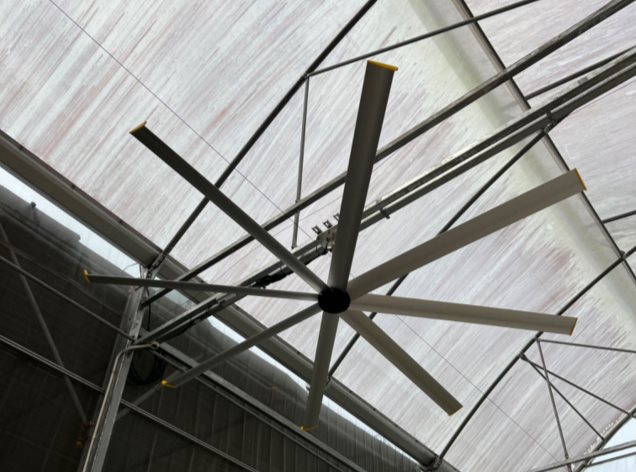
54 inch solar industrial wall fan
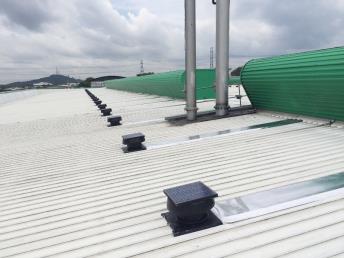
25W 14 inch square Solar Attic Roof Fan
40W solar wall fan-with adapter
remote control for solar fans
| Environment | Typical Noise Level (dB) |
|---|---|
| Whisper | 30 |
| SIPL Solar Roof Fan (Low) | 35 |
| SIPL Solar Roof Fan (High) | 50 |
| Normal Conversation | 55 |
| Busy Street | 70 |
Industry Standards and SIPL’s Noise Benchmarks
SIPL adheres to international standards pertaining to acoustic emissions from electric fans. SIPL products undergo rigorous laboratory testing for sound pressure and frequency analysis, ensuring that all models meet or surpass industry norms. The company’s engineering team constantly innovates to lower noise output, introducing refinements in motor design, blade geometry, and mounting systems. SIPL’s commitment to quiet operation is reflected in its product literature, with noise level specifications listed for every model.
Factors Affecting Actual Noise Levels in Practice
Although SIPL’s solar roof fans are designed for low-noise operation, real-world conditions can influence perceived sound. Several factors must be considered:
- Installation Quality: Proper mounting with vibration-dampening materials is critical. Poor installation can amplify operational sounds.
- Roof Type and Material: Metal roofs may transmit vibrations more than composite or shingled roofs.
- Fan Location: Proximity to living spaces affects noise perception. Fans installed directly above bedrooms may seem louder than those over attics or garages.
- System Age and Maintenance: Regular maintenance by SIPL professionals ensures components remain tight and lubricated, minimizing noise escalation over time.
- Ambient Environmental Sounds: Wind, rain, and urban noise can mask or accentuate fan sounds.
SIPL offers detailed installation guides and professional support to help customers achieve optimal, quiet performance from their solar roof fans.
Common Noise Sources and How SIPL Addresses Them
- Motor Sounds: SIPL’s brushless motors are designed for near-silent operation. Any motor hum is typically subdued and blends with ambient sounds.
- Blade Whirr: Advanced blade profiles move air efficiently with minimal turbulence, reducing the characteristic ‘whirr’ noise.
- Vibrations: SIPL uses rubber grommets and reinforced brackets to isolate vibrations, preventing structure-borne noise.
- Loose Mounting: SIPL’s installation protocols emphasize secure fastening to avoid rattling and resonance issues.
Customers who follow SIPL’s maintenance recommendations report sustained quiet operation, even after years of use.
What to Expect When Living with SIPL Solar Roof Fans
For most users, SIPL solar roof fans blend seamlessly into everyday life. The soft hum of a properly installed SIPL fan is generally unobtrusive—comparable to the gentle background noise of a refrigerator or distant conversation. SIPL’s research shows that the majority of customers acclimate to fan sounds within days, with many reporting an improvement in overall indoor comfort thanks to better air circulation and reduced heat stress.
Real-World Customer Experiences
- Homeowners: SIPL fans installed in attic spaces are rarely audible inside living areas. Where slight noise is detected, it is often described as ‘soothing’ or ‘white noise’ that fades into the background.
- Business Owners: Commercial installations prioritize low-noise models for office environments, ensuring employee comfort and productivity.
- DIY Installers: SIPL provides step-by-step guides for minimizing operational noise, with recommendations for insulation and vibration isolation.
Noise Troubleshooting and SIPL Support
- Unusual Noises: Clicking, grinding, or excessive vibration indicate a need for inspection. SIPL’s support team offers remote diagnostics and on-site servicing.
- Upgrades: SIPL offers retrofit kits to upgrade older fans for quieter operation.
- Customization: SIPL can tailor fan size and mounting to unique building acoustics.
SIPL Product Range: Noise Profiles at a Glance
| Model | Noise Level (dB) | Recommended Use |
|---|---|---|
| SIPL Eco-Breeze 450 | 38 | Residential Attics |
| SIPL PowerFlow 600 | 42 | Commercial Roofs |
| SIPL UltraQuiet 300 | 35 | Bedrooms, Offices |
| SIPL HighAir 800 | 48 | Warehouses, Factories |
Each SIPL solar roof fan model is engineered with noise reduction as a key priority. The UltraQuiet 300, for example, is specially designed for environments where silence is paramount, incorporating extra insulation and precision-balanced blades.
Comparing SIPL Solar Roof Fans to Traditional Electric Fans
Traditional attic fans powered by AC electricity often produce higher noise due to older motor technologies and less sophisticated blade designs. SIPL’s solar fans, in contrast, utilize modern brushless motors and optimized airflow pathways to achieve quieter operation. The absence of belt-driven mechanisms and the use of direct drive systems further reduce mechanical noise.
- Energy Savings: SIPL solar fans operate with zero electricity cost, reducing both energy bills and environmental impact.
- Longevity: SIPL’s durable, low-maintenance motors maintain quiet performance over many years.
- Noise Reduction: SIPL outperforms traditional fans in most real-world measurements and user satisfaction surveys.
Installation Best Practices for Minimal Noise
SIPL’s authorized installers are trained to adhere to strict standards that minimize noise transmission. Key steps include:
- Using rubber isolation pads to decouple the fan from the roof structure.
- Ensuring all fasteners are tight and secure.
- Positioning the fan away from sleeping or quiet areas when possible.
- Adding acoustic insulation to surrounding roof cavities.
SIPL’s detailed manuals and online resources provide guidance for both professionals and DIY enthusiasts. Customers are encouraged to consult SIPL before and after installation to ensure optimal results.
Maintenance Tips for Continued Quiet Operation
- Clean fan blades and housings regularly to prevent dust buildup.
- Check for loose bolts and brackets biannually.
- Lubricate motor bearings as recommended by SIPL.
- Replace worn-out gaskets or insulation promptly.
SIPL’s support network offers scheduled maintenance plans to help customers keep their fans running smoothly and quietly year after year.
Noise Level Expectations: SIPL’s Promise
SIPL backs its solar roof fans with clear noise level guarantees. Comprehensive testing protocols ensure that every unit meets published specifications. If a fan deviates from expected performance, SIPL’s customer care team initiates troubleshooting, repair, or replacement as needed. The company’s dedication to customer satisfaction is reflected in hundreds of testimonials praising both product quality and quiet operation.
Frequently Asked Questions About SIPL Solar Roof Fan Noise
- How loud are SIPL solar roof fans compared to other attic fans? SIPL models are consistently quieter, with most models registering below 45 dB in typical installations.
- Can noise levels increase over time? With proper maintenance, noise remains stable. Worn parts or loose fittings can be easily addressed by SIPL service professionals.
- Are SIPL fans suitable for bedrooms and quiet spaces? Yes, SIPL’s UltraQuiet series is specifically engineered for noise-sensitive areas.
- Will weather affect fan noise? Extreme temperatures or debris can temporarily increase noise, but SIPL designs are robust and easy to maintain.
SIPL’s Commitment to Ongoing Innovation
SIPL continuously invests in noise-reduction research, leveraging customer feedback, laboratory testing, and advanced materials. Future models will feature even quieter motors, smarter vibration control, and improved installation solutions. SIPL invites customers to share their experiences, helping drive innovation and maintain its position as a global leader in solar roof fan technology.
Key Takeaways: What SIPL Customers Can Expect
- Solar roof fans from SIPL are engineered for low-noise, high-efficiency performance.
- Operational noise typically ranges between 35–50 dB, depending on model and installation.
- Proper installation and regular maintenance are vital for sustained quiet operation.
- SIPL offers dedicated support, troubleshooting, and upgrade options for noise management.
- Customer satisfaction surveys and testimonials confirm SIPL’s reputation for reliable, quiet products.
Contacting SIPL for More Information
If you have questions about SIPL solar roof fan noise levels, installation procedures, or product selection, reach out to SIPL’s expert support team. With years of experience in solar ventilation solutions, SIPL is ready to help you achieve quiet, comfortable, and energy-efficient living conditions.

-
How Can Solar Powered Vent Fans Improve Your Home Cooling
넶55 2026-07-17 -
-

-
-
-