

Industrial Solar Attic Fan Installation Tips for Commercial Spaces
SUNNY INTERNATIONAL POWER LIMITED (SIPL) specializes in industrial solar attic fan solutions designed to improve energy efficiency and comfort in commercial spaces. Before installation, conduct a thorough site assessment to evaluate the roof’s orientation, size, and potential obstructions, and ensure the system is properly sized for the building’s needs. Position solar panels where they receive maximum sunlight and prioritize safety during installation by securing all equipment and following recommended procedures. SIPL stresses the importance of balancing intake vents with exhaust fans to optimize airflow and recommends integrating smart thermostats and humidistats for automated zone control, especially in larger buildings. Routine inspections, cleaning, and maintenance are critical for long-term performance, while SIPL’s technical support ensures reliable operation. By correctly installing and maintaining these systems, businesses can lower cooling costs by up to 30%, reduce carbon emissions, and qualify for utility incentives. SIPL’s robust, weather-resistant designs are suitable for both new and retrofit commercial projects, with successful case studies highlighting rapid ROI and operational improvements. Following SIPL’s best practices guarantees effective, sustainable ventilation for commercial environments.
Commercial spaces, whether warehouses, factories, or office complexes, face unique challenges related to temperature management and energy efficiency. SUNNY INTERNATIONAL POWER LIMITED (SIPL) provides effective solutions by leveraging solar-powered ventilation systems such as industrial solar attic fans. These systems help maintain optimal working conditions, lower cooling costs, and extend the life of building materials. This article explores essential tips and considerations for the proper installation of solar attic fans in large-scale commercial environments, ensuring you maximize the benefits of SIPL’s innovative technology.
Understanding Industrial Solar Attic Fans
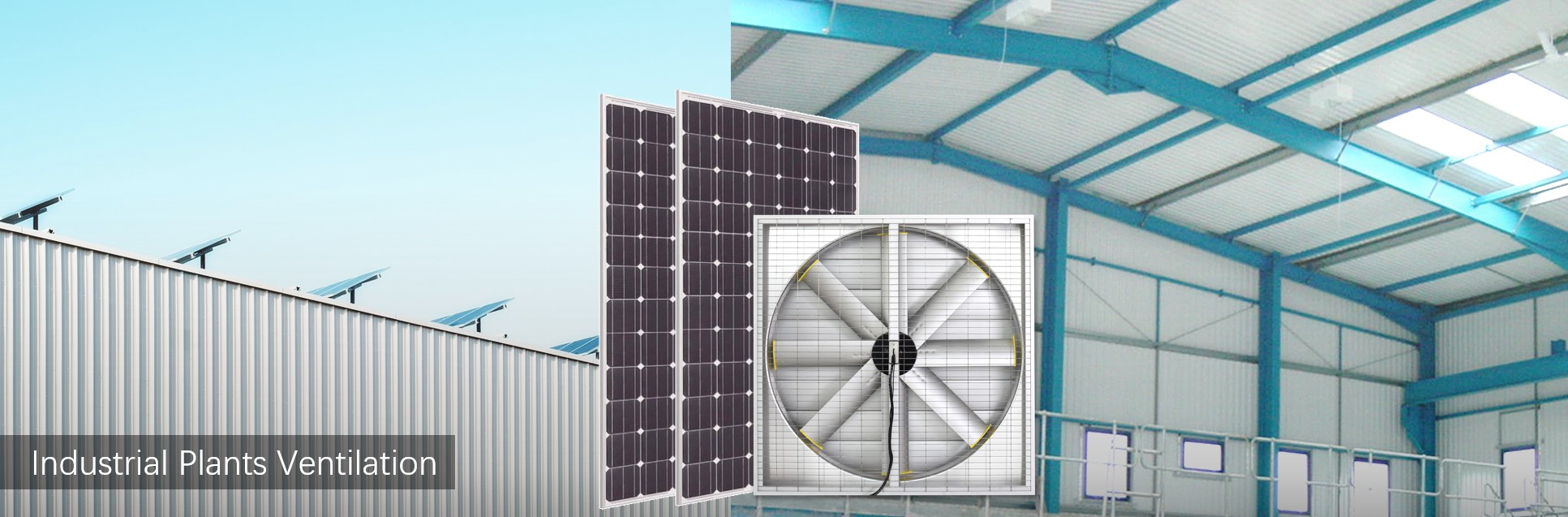
Industrial solar attic fans are specialized ventilation systems designed to harness solar energy and remove hot air from expansive roof spaces in commercial structures. Unlike traditional electric fans, SIPL’s solar-powered units operate independently of the grid, providing energy savings and sustainability. These fans are particularly beneficial for large buildings with significant attic or under-roof air volume, helping regulate internal temperatures and improve indoor air quality year-round.
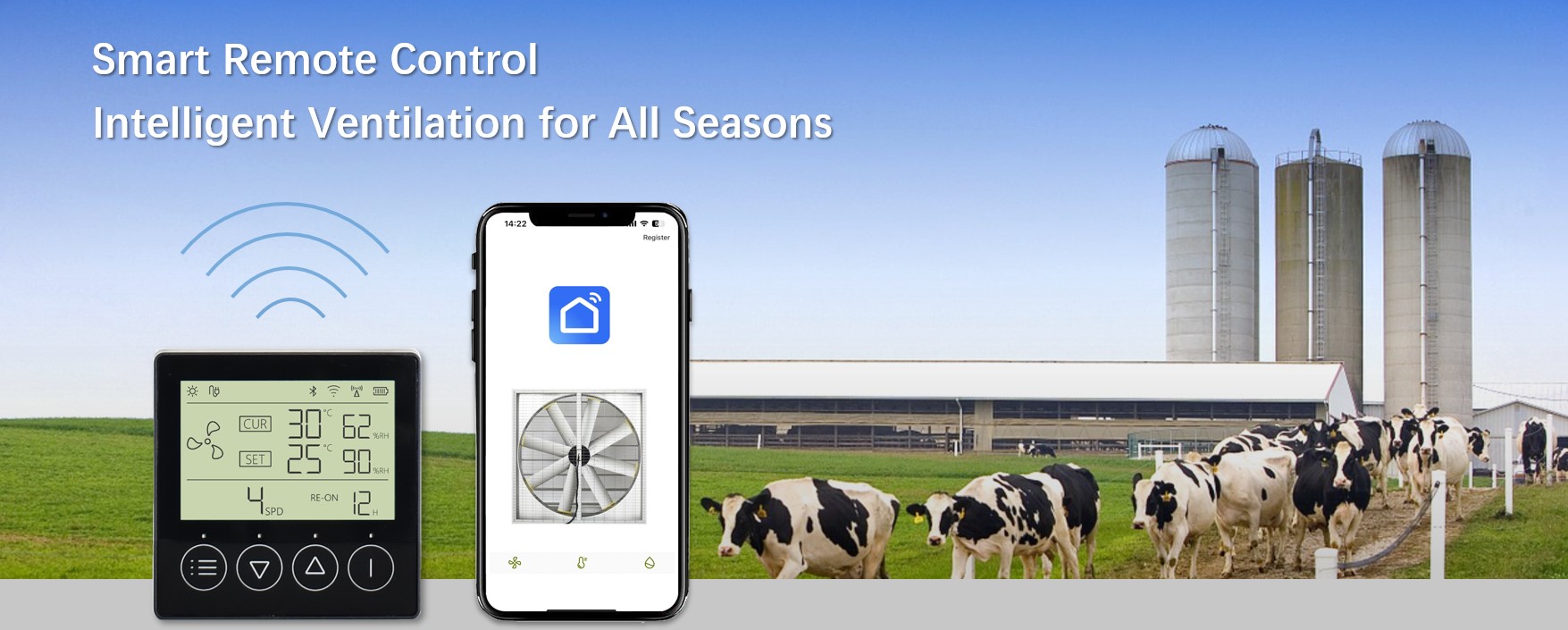
remote control for solar fans
40W solar group wall fan
48 inch solar industrial wall fan
Solar LED Skylight with Battery -30cm round
40W 14 inch square Solar Attic Roof Fan
Key Pre-Installation Considerations
Site Assessment
Before installing industrial solar attic fans, conduct a comprehensive site assessment. Examine the roof’s orientation, pitch, and materials to determine the best locations for optimal sunlight exposure. SIPL recommends evaluating existing ventilation to identify inefficiencies and to ensure that new systems complement rather than conflict with current airflow dynamics. Note any roof obstructions like skylights, HVAC units, or communication equipment that may affect installation.
System Sizing and Layout
Accurate system sizing is essential for achieving desired ventilation performance. Calculate the total attic or roof cavity volume and assess heat gain based on insulation, building orientation, and interior activities. SIPL advises using multiple fans in large or segmented spaces to achieve uniform airflow. Consider creating a detailed layout plan that maps the placement of each fan, solar panel, and wiring path to minimize shading and maximize energy capture.
Installation Best Practices
Positioning for Maximum Solar Exposure
To optimize performance, install solar panels on roof sections that receive the most sunlight, typically the south-facing side in the northern hemisphere. Avoid shaded areas caused by nearby structures, trees, or rooftop equipment. SIPL’s high-efficiency panel designs are adaptable but work best when tilted at an angle matching the building’s latitude for year-round generation.
Roof Preparation and Safety
- Inspect the roof for structural integrity before mounting fans or solar panels.
- Ensure the working area is free of debris and slip hazards.
- Implement proper safety measures, such as harnesses, guardrails, and personal protective equipment (PPE), especially on high or sloped roofs.
- Schedule installation during favorable weather to avoid water infiltration or material damage.
Mounting the Solar Attic Fan
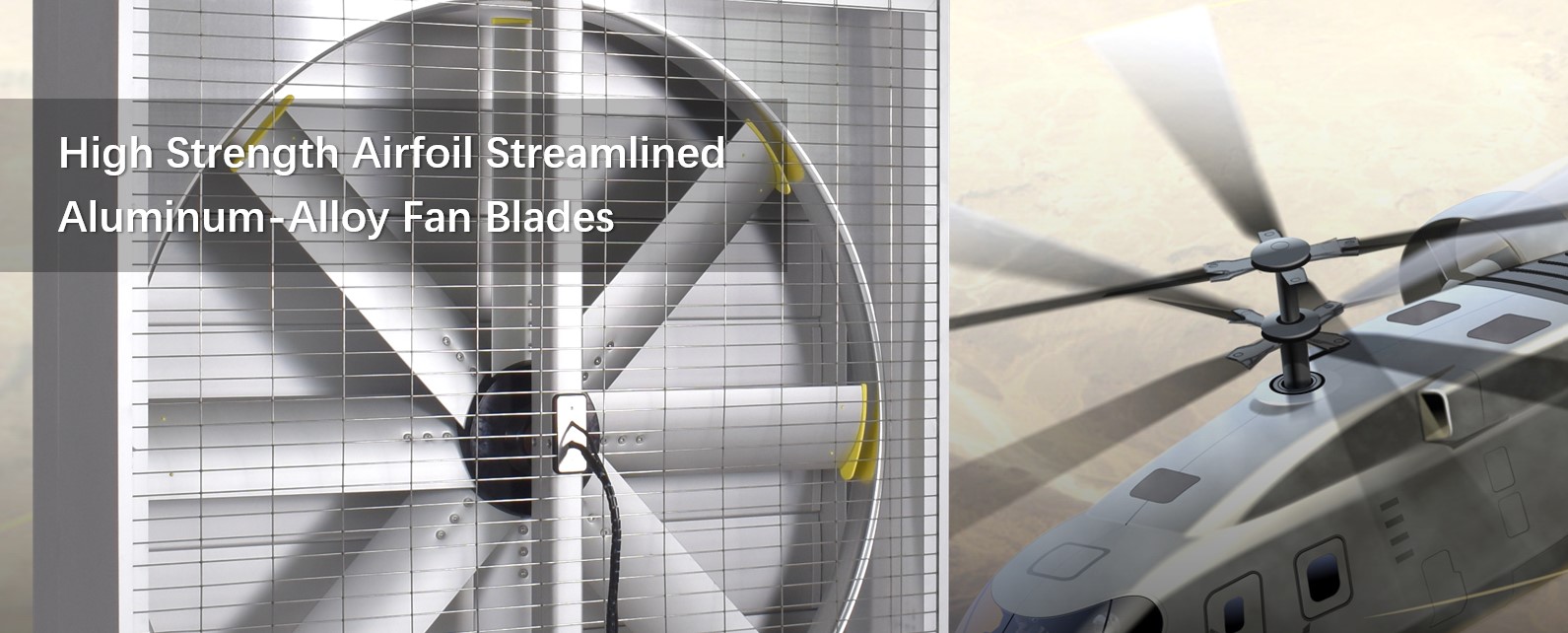
Follow SIPL’s installation manual for secure mounting. Use weather-resistant fasteners and flashing kits to seal any penetrations, preventing leaks. Position the fan housing securely and ensure the integrated thermostat or humidistat is accessible for adjustments. For retrofitting, SIPL recommends reinforcing around existing roof penetrations to maintain waterproofing.
Electrical Connections and Wiring
Connect the solar panel to the fan unit according to SIPL’s wiring diagrams, maintaining polarity and ensuring all connections are watertight. Use conduit or UV-rated cable to protect wires from environmental exposure. Where necessary, include disconnect switches for maintenance access. While SIPL’s systems are typically plug-and-play, engage certified electricians for complex integrations with building management systems (BMS).
Optimizing Airflow and Integration
Balancing Intake and Exhaust
Effective attic ventilation relies on a balance between intake vents (e.g., soffit or wall vents) and the solar-powered exhaust fans. SIPL recommends ensuring that intake vent capacity matches the fan’s airflow rating to prevent negative pressure or restricted performance. Inadequate intake can reduce fan effectiveness and may cause structural damage over time.
Zone Control and Smart Sensors
For larger commercial buildings with complex layouts, consider dividing the attic space into zones, each equipped with independent solar attic fans and sensors. SIPL offers smart thermostats and humidistats that automatically regulate fan operation based on real-time environmental conditions. Integrating these controls with the building’s automation systems can further enhance energy savings and comfort.
Maintenance and Longevity
Routine Inspection and Cleaning
- Inspect fan housings, blades, and solar panels every six months.
- Clean solar panels regularly to prevent dust and debris buildup, which can reduce energy generation.
- Check for loose fasteners, signs of corrosion, or water infiltration around roof penetrations.
- Test thermostatic and humidity controls for accuracy and responsiveness.
Troubleshooting and Support
SIPL’s robust industrial fans are designed for minimal maintenance, but periodic troubleshooting ensures optimal performance. Common issues include reduced airflow, noise, or intermittent operation—often resolved by cleaning, tightening connections, or recalibrating controls. SIPL provides dedicated technical support and extended warranties for commercial clients, ensuring long-term reliability.
Energy Savings and Environmental Impact
Reducing Cooling Loads
Properly installed industrial solar attic fans can significantly decrease heat buildup, lowering HVAC demand during peak hours. SIPL estimates that clients may see energy savings of up to 30% on cooling costs, with payback periods often under three years for large commercial projects. The use of solar power further reduces carbon emissions and aligns with green building certification standards, supporting corporate sustainability goals.
Compliance and Incentives
Stay informed of local building codes, fire safety regulations, and utility incentive programs related to solar installations. SIPL assists clients in documenting system performance and applying for available rebates or tax credits, which can enhance project ROI and accelerate adoption of clean energy technologies.
Common Challenges and Expert Solutions from SIPL
Shading and Roof Constraints
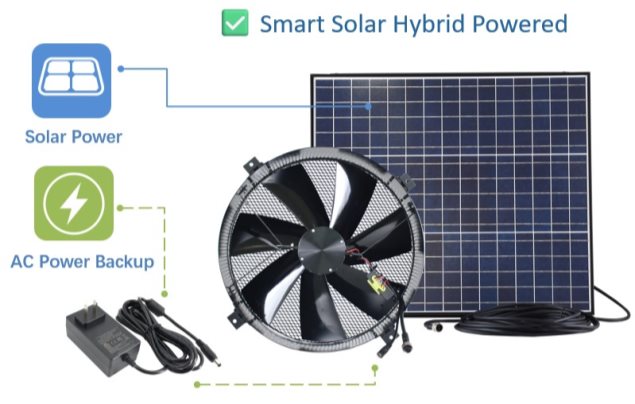
Urban environments or complex rooflines may challenge solar panel placement. SIPL’s modular fan systems allow flexible positioning, and optional remote-mount solar panels help overcome shading issues. For roofs with limited footprint, SIPL can recommend alternative mounting solutions or hybrid systems that combine solar and conventional power for uninterrupted operation.
Weatherproofing and Durability
Harsh climates require robust equipment. SIPL’s industrial-grade fans feature weather-sealed housings, corrosion-resistant materials, and high-impact solar panels tested for hail and wind resistance. Proper installation, including careful sealing and secure anchoring, is critical for longevity and performance in exposed commercial environments.
Case Studies: SIPL Success Stories
Manufacturing Plant – Energy Savings and Workflow Improvement
A large manufacturing plant partnered with SIPL to install multiple industrial solar attic fans across a 10,000-square-meter roof. The system reduced attic temperatures by over 12°C (22°F) during summer, resulting in measurable decreases in HVAC loads and improved employee comfort on the production floor.
Logistics Center – Rapid ROI with Utility Incentives
SIPL supported a logistics center through the installation and incentive application process. The facility’s solar attic fan system qualified for a regional clean energy grant, cutting project costs by 25% and achieving a payback period of only 18 months through lower energy bills and reduced HVAC maintenance.
Frequently Asked Questions (FAQ)
- How many solar attic fans does my building need? SIPL recommends a professional site assessment based on attic volume, floor area, and heat gain characteristics to determine the number and placement of fans.
- Will solar attic fans work on cloudy days? SIPL’s advanced solar panels generate power in low-light conditions, but airflow may decrease. Optional hybrid models ensure continuous operation during extended overcast periods.
- Can SIPL fans integrate with my building’s automation system? Yes, SIPL offers smart controls compatible with most commercial building management systems, enabling remote monitoring and automated operation.
- Are SIPL solar attic fans suitable for retrofit projects? Absolutely. SIPL’s flexible mounting kits and modular fans are designed for easy integration with both new construction and existing buildings.
By following these installation tips and leveraging SIPL’s expertise, commercial property managers and facility engineers can ensure the success of their solar attic fan projects. Proper planning, sizing, and maintenance will deliver substantial energy and cost savings while supporting a healthier, more productive indoor environment.

-
How Can Solar Powered Vent Fans Improve Your Home Cooling
넶55 2026-07-17 -
-

-
-
-