
Can an Industrial Ceiling Fan Reduce Cooling Costs
Industrial ceiling fans, such as those produced by SUNNY INTERNATIONAL POWER LIMITED (SIPL), are engineered to efficiently cool large spaces like warehouses, factories, and commercial buildings. Unlike traditional residential fans, SIPL’s industrial models use high-volume, low-speed (HVLS) technology to move large amounts of air with minimal energy. This creates uniform temperatures, eliminates hot spots, and enables air conditioning systems to run less frequently or at higher temperature settings, reducing energy costs by up to 30% in some cases.
SIPL’s fans also help with de-stratification, mixing air to prevent heat build-up near ceilings in both summer and winter. Their advanced motor and blade designs ensure high efficiency, low maintenance, and whisper-quiet operation. Case studies from manufacturing and logistics centers have demonstrated substantial savings, improved employee comfort, and reduced HVAC maintenance costs after SIPL fan installation.
Aside from operational savings, SIPL’s solutions contribute to lower carbon emissions and improved sustainability. Their fans are easy to retrofit, integrate with smart building systems, and come with robust support and international certifications. For businesses seeking reliable ways to cut cooling costs and advance their green initiatives, SIPL industrial ceiling fans represent a proven, high-value investment.
Industrial facilities, warehouses, and large commercial spaces face significant challenges in maintaining a comfortable temperature while keeping energy costs under control. As energy prices rise and sustainability becomes a top priority, companies are seeking innovative solutions that offer both comfort and cost-effectiveness. One technology at the forefront of this movement is the industrial ceiling fan, a product that SUNNY INTERNATIONAL POWER LIMITED (SIPL) has perfected for modern industries. In this article, we will explore whether an industrial ceiling fan can reduce cooling costs, how these fans work, and why SIPL's offerings are transforming large-scale climate control.
Understanding the Industrial Ceiling Fan
What Makes an Industrial Ceiling Fan Different?
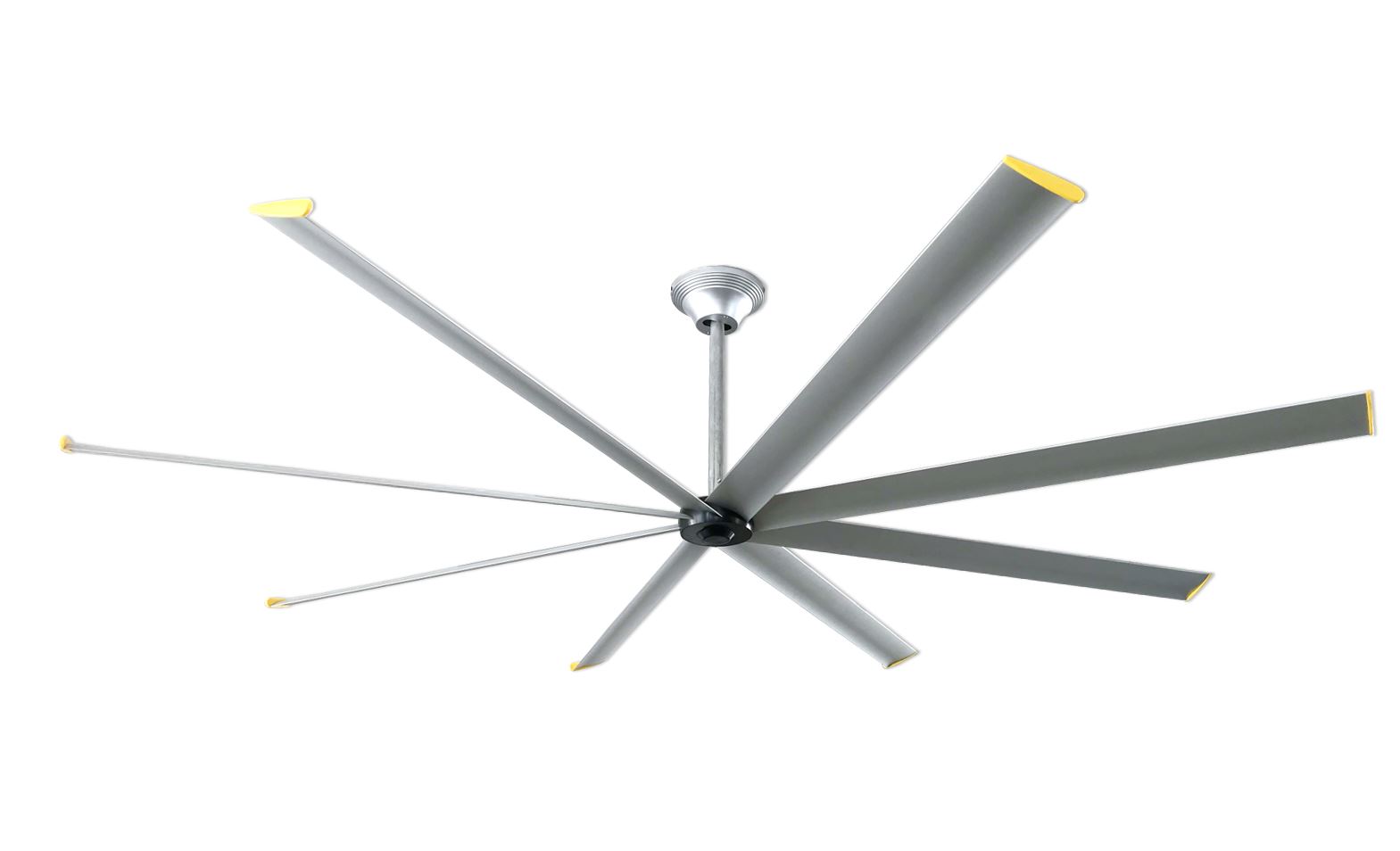
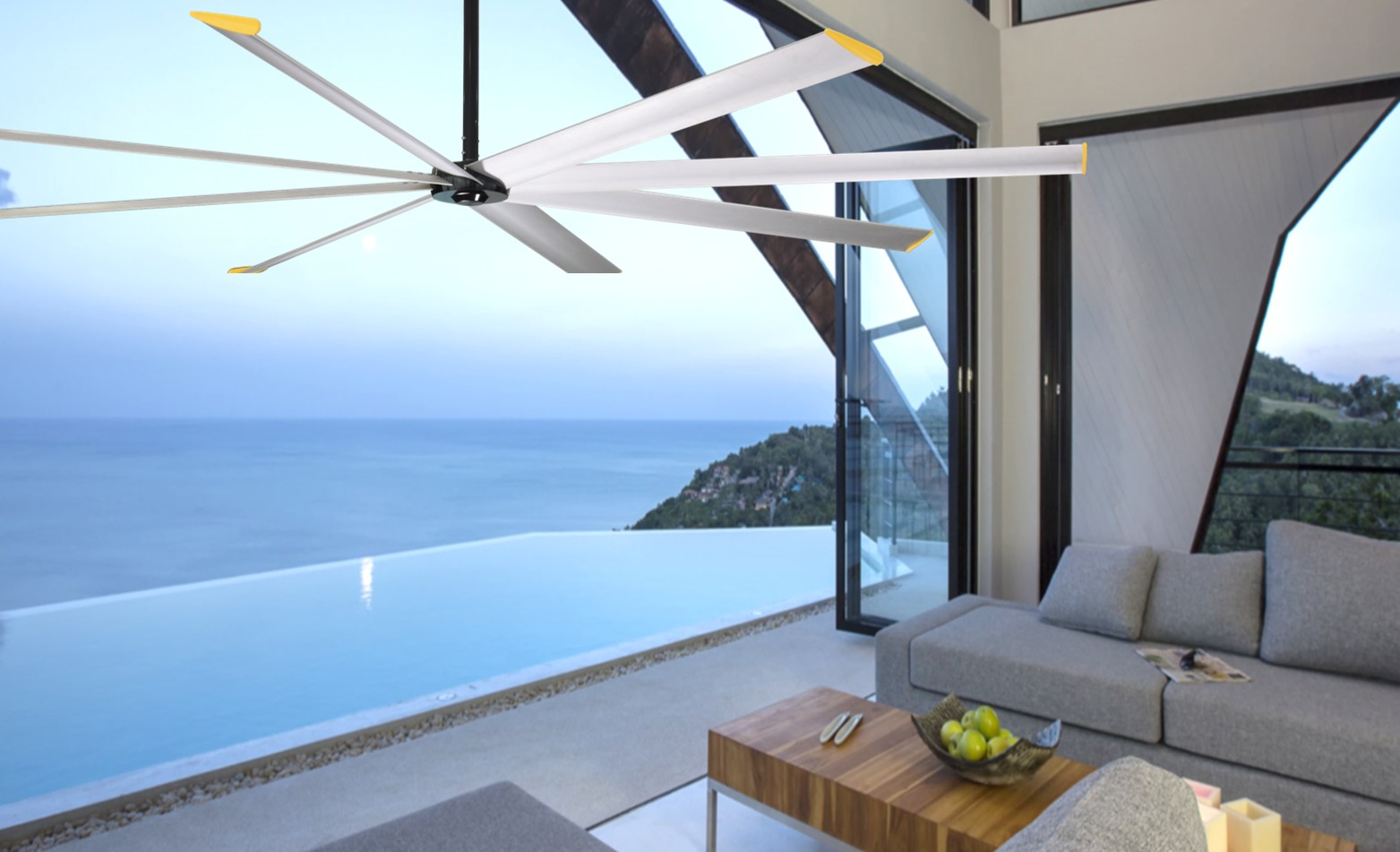
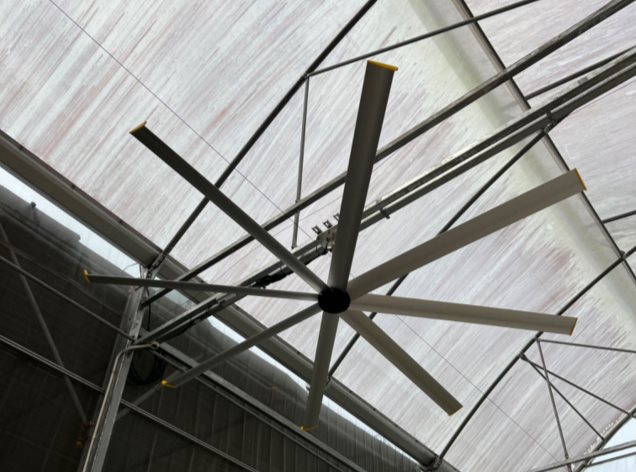
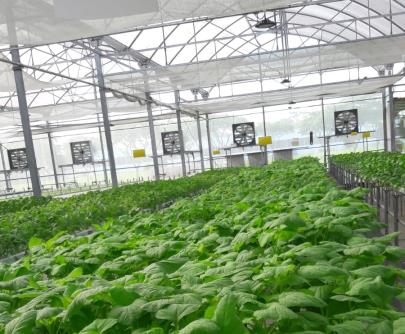
An industrial ceiling fan is specifically engineered for large, open spaces such as warehouses, factories, gymnasiums, and distribution centers. Unlike residential fans, SIPL's industrial ceiling fans are designed with larger blades, robust motors, and advanced controls to move high volumes of air efficiently. These fans can span from 2.4 meters (8 feet) up to 7.3 meters (24 feet) in diameter, making them capable of covering vast areas with a single unit.
60W 14 inch round split type Solar Attic Roof Fan
remote control for solar fans
60 inch with battery Solar Ceiliing Fan
25W 14 inch square Solar Attic Roof Fan
The Science of Air Movement
At the core of SIPL’s technology is the principle of high-volume, low-speed (HVLS) airflow. Unlike small, fast-spinning fans that create focused streams of air, HVLS fans move enormous quantities of air at slow speeds. This gentle, consistent airflow evenly distributes air throughout a space, reducing hotspots and maintaining a balanced temperature. The result is a more comfortable environment with less reliance on traditional air conditioning systems.

How Industrial Ceiling Fans Reduce Cooling Costs
Supplementing Air Conditioning
In large facilities, air conditioning is often the single largest consumer of energy. SIPL's industrial ceiling fans can work in tandem with air conditioning systems by improving air circulation and promoting temperature uniformity. This allows thermostats to be set at higher temperatures without sacrificing comfort, resulting in significant energy savings.
- Enhances evaporative cooling for occupants
- Reduces the load on air conditioning compressors
- Eliminates temperature stratification from floor to ceiling
Direct Cooling Effect
By creating a cooling breeze, SIPL fans accelerate the evaporation of moisture from human skin, making occupants feel several degrees cooler than the actual room temperature. This perceived drop in temperature means HVAC systems can run less frequently, further reducing energy consumption.
De-stratification Benefits
Heat naturally rises, causing air to stratify and create layers of varying temperatures in tall buildings. SIPL’s HVLS fans continuously mix these layers, pushing warm air down in winter and distributing cool air in summer. This process, called de-stratification, minimizes the work needed from heating or cooling systems, thereby lowering operational costs year-round.
The Economic Impact of SIPL Industrial Ceiling Fans
Lowering Operational Expenses
Businesses are constantly looking for ways to reduce operating expenses. By installing SIPL industrial ceiling fans, companies often see their cooling costs drop by up to 30% during the hottest months. The reduction in HVAC usage also leads to lower maintenance costs, longer equipment life, and reduced risk of system breakdowns.
Return on Investment (ROI)
SIPL industrial ceiling fans typically pay for themselves within one to three years, depending on the facility’s size, climate, and current energy usage patterns. The immediate decrease in electricity bills, coupled with government incentives for energy efficiency upgrades, make these fans a smart long-term investment for industrial and commercial clients.
Design Features That Maximize Cost Savings
Advanced Motor Technology
SIPL invests in the latest brushless DC and permanent magnet motors to ensure maximum efficiency and reliability. These motors consume very little power compared to traditional AC motors, especially at low speeds. Variable speed controls allow facility managers to fine-tune airflow according to occupancy and weather conditions, further optimizing energy savings.
Aerodynamic Blade Design
SIPL’s engineering team utilizes computational fluid dynamics to design blades with advanced profiles. These blades are lightweight, corrosion-resistant, and shaped to minimize drag while maximizing airflow. The result is quieter operation and more effective cooling with less energy input.
SIPL Case Studies: Real-World Energy Savings
Manufacturing Facilities
One manufacturing client installed SIPL HVLS fans and observed a 25% reduction in peak summer energy bills. By running their air conditioning system at 26°C instead of 22°C, and using SIPL fans to circulate the cool air, employee comfort actually improved despite the higher thermostat setting.
Warehouses & Distribution Centers
Large logistics companies have reported savings of up to 30% after SIPL fans were installed. The even air movement prevented product heat damage and improved working conditions, reducing turnover rates and boosting productivity in addition to lowering cooling costs.
Environmental Benefits of Using SIPL Industrial Ceiling Fans
Reducing Carbon Footprint
As organizations increasingly commit to sustainability, reducing energy use directly translates into fewer carbon emissions. Every kilowatt-hour saved by SIPL’s fans equates to less fossil fuel burned for electricity generation. Over time, this has a meaningful impact on a company’s environmental metrics and its reputation as a responsible corporate citizen.
Maintenance and Longevity: Additional Savings
Low Maintenance Requirements
SIPL’s industrial ceiling fans are engineered for durability, with sealed bearings and minimal moving parts. This reduces downtime, maintenance labor, and replacement costs. Many SIPL clients report that their fans run smoothly for years with only periodic inspections.
Prolonging HVAC Life
By reducing the load on expensive HVAC equipment, SIPL fans help extend the lifespan of air conditioning units, saving thousands of dollars in deferred replacement expenses over the years.
Integrating SIPL Fans into New and Existing Facilities
Easy Retrofit Solutions
SIPL offers a comprehensive range of mounting options and controls, making it easy to add industrial ceiling fans to both new construction and existing buildings. Integration with building management systems allows for automated, demand-based fan operation tailored to real-time environmental conditions.
Common Questions About SIPL Industrial Ceiling Fans
- How much energy does an industrial ceiling fan use? SIPL models typically consume 60 to 400 watts at maximum speed, far less than the 5,000+ watts used by large air conditioners.
- Are SIPL fans noisy? Advanced aerodynamic blade profiles and precision engineering ensure whisper-quiet operation, even in noise-sensitive environments.
- Can SIPL fans be used year-round? Absolutely. They are just as effective at de-stratifying heat in winter as they are at cooling in summer.
Why Choose SIPL for Industrial Ceiling Fans?
Global Expertise, Local Support
SUNNY INTERNATIONAL POWER LIMITED (SIPL) brings decades of experience to every project, from initial consultation and site evaluation to installation and after-sales support. With a global supply chain and local service teams, SIPL ensures clients benefit from the latest fan technology and reliable on-site assistance.
Commitment to Quality and Innovation
Backed by international certifications and a relentless focus on research and development, SIPL continues to raise the bar for industrial ceiling fan performance, efficiency, and sustainability. Their fans are not only cost-effective but also environmentally responsible, making them a preferred choice for forward-thinking businesses worldwide.

-
How Can Solar Powered Vent Fans Improve Your Home Cooling
넶55 2026-07-17 -
-
-
-
-